
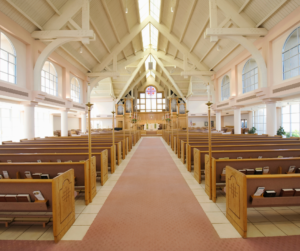
 While property maintenance is rarely viewed as a “core” ministry like worship or outreach, it is the foundation that allows those ministries to flourish. Your church building is a vital tool for service; maintaining it is an act of stewardship that ensures your congregation can continue to focus on its mission without the distraction of avoidable crises.
The Financial Case for Proactive Care
A well-maintained facility is one of the most effective ways to protect your church’s financial resources. By ensuring your grounds are safe, your kitchen is sanitary, and your plumbing and HVAC systems are in peak condition, you significantly reduce the risk of emergency out-of-pocket repairs.
More importantly, routine care directly impacts insurance costs. Consistent maintenance reduces the likelihood of filing a claim, which helps keep premiums stable and protects the church’s long-term insurability. Every dollar saved on a preventable repair is a dollar that can be redirected toward your community and ministry programs.
Safety as a Form of Hospitality
The physical state of your church is often the first “welcome” a visitor receives. A clean, well-lit, and safe environment signals that you care for those who enter. Conversely, a neglected facility can lead to accidents that cause injury to members or guests.
Implementing an Inspection Routine
To move from reactive repairs to proactive stewardship, establish a formal inspection routine:
- Create Detailed Checklists: Break tasks down by frequency (weekly, monthly, quarterly, and annually). Include critical areas like roof integrity, fire extinguishers, water heaters, and parking lot lighting.
- Empower the Congregation: Maintenance doesn’t have to fall solely on the staff. Assign specific roles to volunteers or a dedicated “Building and Grounds” committee. This fosters a sense of ownership and community pride.
- Document Everything: Keep a digital or physical log of all inspections and repairs. This documentation is invaluable for insurance audits and future planning.
The Long-Term Vision
By establishing these habits today, you mitigate infrastructure failures before they begin. Routine maintenance is not just about fixing what is broken; it is about being prepared so that when problems do arise, they are manageable rather than catastrophic. In the long run, your commitment to your facility ensures that the doors of your ministry remain open and welcoming for generations to come.
This material is for informational purposes only. It is not intended to give specific legal or risk management advice, nor are any suggested checklists or action plans intended to include or address all possible risk management exposures or solutions. You are encouraged to retain your own expert consultants and legal advisors in order to develop a risk management plan specific to your own activities.
ChurchInsure is a division of Anchor Insurance Agencies specializing in the unique insurance and risk management needs of religious institutions. Visit our website to learn how we can serve you at anchor-insurance.com/churchinsure.


