
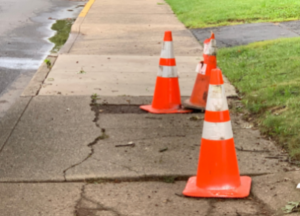
 Slips, trips, and falls are the leading cause of injury across all industries, and religious organizations are no exception. In fact, because churches welcome a high volume of foot traffic—often including children and seniors—the risk of these incidents is significantly higher. Data shows that over 50% of all injuries reported in churches are related to falls.
These incidents don’t just cause physical pain; they lead to liability concerns and can damage a congregation’s reputation. Below is a roadmap for religious leaders to identify hazards and minimize risks.
1. Conducting Comprehensive Risk Assessments
Prevention begins with identification. Periodically walk through your property to look for hazards like loose tiles, worn carpeting, or uneven transitions.
- Internal Areas: Check entryways, pews, stages, platforms, and communal areas like kitchens or bathrooms. Pay special attention to stairs and handrails.
- External Areas: Inspect sidewalks, parking lots, ramps, and recreational spaces for potholes, cracks, or pooling water.
2. Practicing Superior Housekeeping
A clean church is a safe church. An organized facility eliminates obstacles before they become hazards.
- Routine Cleaning: Assign specific staff or volunteers to keep walkways clear of debris.
- Cord Management: Never leave extension cords exposed across a walkway. Use cord concealers or consult an electrician for permanent outlets.
- Spill Response: Have a “rapid response” plan. Rope off wet areas immediately and don’t remove the barrier until the floor is completely dry.
3. Maintaining Surfaces and Equipment
Walking surfaces must be level and sturdy.
- Floors & Stairs: Inspect for damage regularly. Use non-slip rugs in high-risk areas, ensuring they are flat and free of curled edges.
- Handrails: Ensure all steps are equipped with sturdy, ADA-compliant handrails.
- Safety Equipment: Always inspect ladders and step stools before use to ensure they are in good working condition.
4. Maximizing Visibility and Lighting
Poor lighting is a major contributor to falls. Ensure that all high-traffic areas—both inside and out—are well-lit. Use reflective tape or bright paint to mark changes in floor elevation or unexpected steps.
5. Staying Compliant with Building Codes
Review local building codes and the Americans with Disabilities Act (ADA) standards regularly. Ramps and handrails should meet specific height and stability requirements to promote safe accessibility for everyone.
6. Managing Seasonal Hazards
Different seasons bring different risks:
- Winter: Have a snow and ice removal plan ready. Keep salt and shovels on-site.
- Autumn: Keep walkways clear of wet, slippery leaves.
- Spring/Summer: Maintain landscaping to ensure grass clippings or overgrown weeds don’t hide hazards.
- Entryway Mats: Use high-quality, non-slip mats at all entrances to catch moisture from rain or snow.
7. Utilizing Safety Signage
Communicate your commitment to safety by using property signage. Use “Wet Floor” signs for spills and posters that remind members and staff to walk carefully, especially in areas with uneven ground.
Conclusion
By implementing these strategies, your organization can significantly reduce the risk of injury and liability. Protecting your people is a fundamental part of protecting your mission.


