
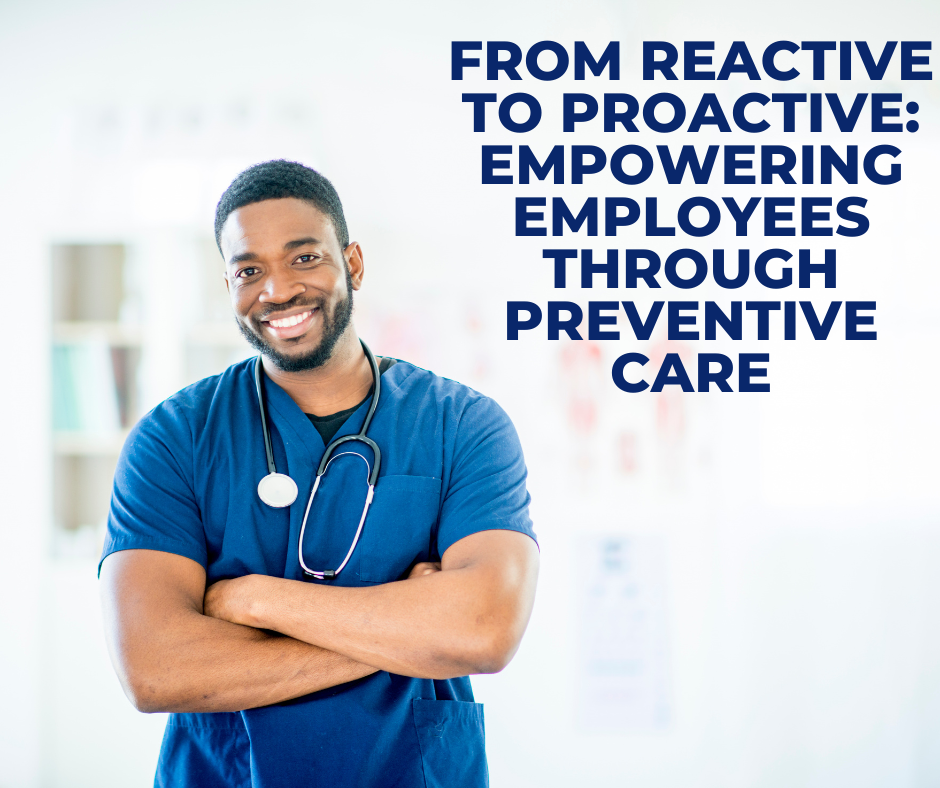
In the world of employee benefits, we often spend our time talking about what happens when things go wrong—surgeries, emergency room visits, and specialist consultations. Today, the most successful organizations are shifting the conversation toward what happens when things go right.
Teaching your employees about preventive care is more than just a wellness initiative; it is a strategic financial move. By encouraging your team to use the “maintenance” features of their health plans, you reduce long-term claims, decrease absenteeism, and—most importantly—keep your people healthy.
Why Education Matters (The “Why”)
Many employees avoid the doctor because they fear the cost. They don’t realize that under most modern health plans, preventive services are covered at 100%, with no deductible or copay required.
When employees understand this “first-dollar coverage,” they stop waiting for symptoms to appear and start catching issues while they are small, manageable, and inexpensive. A $0 annual checkup can catch high blood pressure before it becomes a $50,000 heart attack. Education is the bridge between having a benefit and actually using it.
Types of Preventive Care: What’s Included?
When educating your staff, it helps to categorize preventive care into “The Big Three.” Most of these services are available at no additional cost to the employee:
1. Screenings & Physicals
- Annual Wellness Exams: A comprehensive check-in to monitor vitals and establish a health baseline.
- Cancer Screenings: Age-appropriate screenings such as mammograms, colonoscopies, and pap smears.
- Biometric Screenings: Checks for cholesterol, blood sugar (diabetes), and blood pressure.
2. Immunizations & Medications
- Routine Vaccines: Coverage for the flu shot, Tetanus, Shingles, and COVID-19 boosters.
- Preventive Medications: Many plans cover certain “preventive” drugs (like statins or low-dose aspirin) at a lower cost or even $0 to manage chronic conditions before they escalate.
3. Family & Mental Well-being
- Pediatric Care: Well-child visits and standard childhood immunizations.
- Prenatal Care: Routine checkups for expecting mothers to ensure a healthy pregnancy.
- Mental Health Screenings: Depression and anxiety screenings are increasingly recognized as essential preventive care in 2026.
How to Encourage Utilization
Knowing isn’t the same as doing. Here is how employers can drive action:
- Remove the Time Barrier: Offer “Wellness Hours”—a few hours of paid time off specifically for employees to attend their annual physicals or screenings.
- Simplify the Search: Provide a direct link to your carrier’s “Find a Doctor” tool, specifically filtered for primary care physicians.
- Incentivize the Checkup: Some companies offer a small HSA contribution or a premium discount for employees who complete an annual biometric screening.
- Use Real-World Messaging: Instead of a complex brochure, send a quick email: “Did you know your annual flu shot and physical are $0? Here is where you can go locally to get them done.”
A “health literate” workforce is a more resilient workforce. When employees understand that preventive care is a free tool designed to keep them out of the hospital, everyone wins. You aren’t just managing a plan; you’re fostering a culture where health is a priority, not a reaction.


